

Make better use of
the power you have.
Distribute power across chargers at each site, see demand in real time and coordinate site batteries to manage peaks. EOSVOLT helps you put available capacity to work across your network.

Distribute power
across your chargers.
Set charging capacity for each zone and let EOSVOLT manage how power is shared as vehicles connect and finish charging.
Balance power automatically
Share available capacity across charging sessions and adjust the allocation as vehicles arrive, finish or change demand.

Charge in sequence when capacity is limited
Give vehicles full power in the order they arrived. Later vehicles receive what remains or wait for power.

Set limits for each zone
Set charging limits in kW or by phase current, and reserve a safety buffer for other electrical loads at the site.

Adjust capacity through the day
Set charging capacity schedules for business hours, peak periods or other site operating conditions.

See how your charging
capacity is used.
Follow live demand and available capacity across sites and charging zones, and see which areas are approaching their limits.
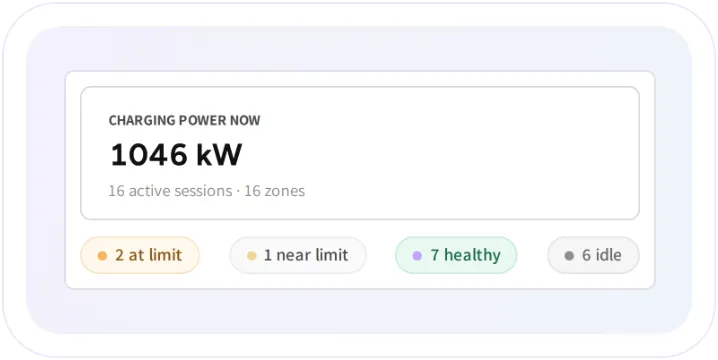
See demand across sites and zones
Monitor active charging power, remaining capacity and zones that are close to their limit.
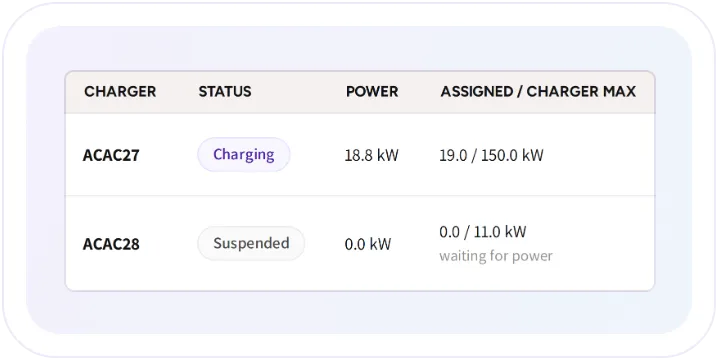
Explain reduced charging power
See when a session is receiving reduced power or waiting for capacity, and how power is allocated across the zone.
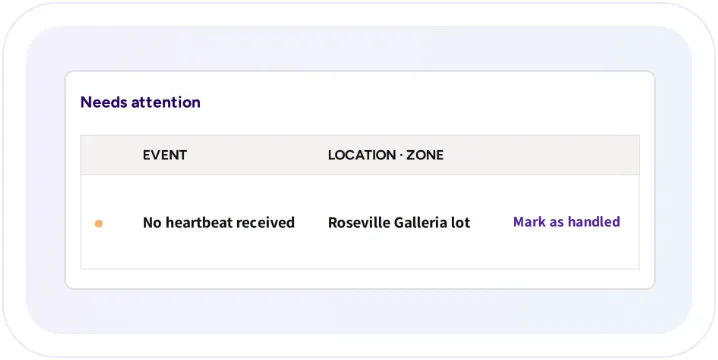
Stay on top of zone events
Review recent load-balancing events, identify issues that need attention and manage them from the relevant site.
Use battery storage to
reduce demand peaks.
Reduce peak grid demand. Coordinate battery discharge with charging demand to keep site import under the grid target you set.
Plan battery recharging. Set charging windows and a target charge level, then monitor battery power and state of charge.
See the effect on your site. Review grid import, battery contribution and periods when charging power was reduced, with events available for investigation.


Put electricity price
data to work.
Plan home charging around lower prices. Intelligent charging uses available electricity price forecasts to schedule charging before the driver’s chosen ready time.
Build market-based charging prices. Use live electricity prices as a pricing component alongside your own usage fees and margins.
Managing
charging peaks
at heavy-duty sites.
EBB Charge uses EOSVOLT for truck, depot and public charging, including battery coordination for peak shaving. Stored energy helps meet charging demand while reducing peak grid import.

Frequently asked questions
Will load balancing avoid a grid connection upgrade?
It helps use the capacity available for charging. Whether that capacity meets your needs still depends on the installation, other demand, and the charging performance required.
Can every charger be load balanced?
No. The charger model must support smart charging, and the charger must be set up correctly for the zone, for example with its power configuration in a zone limited in amperes.
Does a battery mean charging always stays at full power?
No. If the battery cannot cover demand, or the hard limit is reached, the chargers are turned down to hold the site’s import.
Are live electricity prices available everywhere?
No. They depend on the market integration and deployment. We can review the options for your service.
Explore related
platform capabilities.
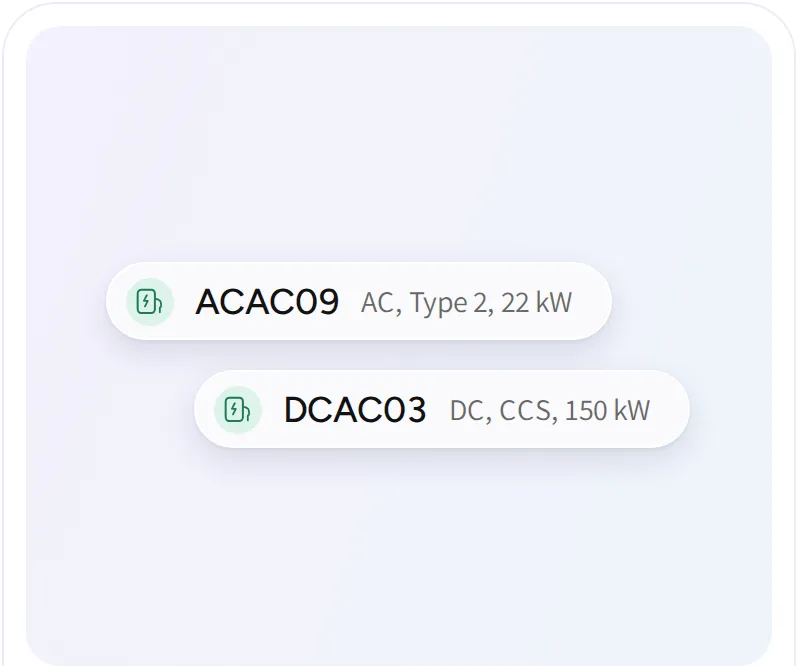
Supported hardware
Connect supported AC and DC chargers over OCPP, and manage monitoring, remote commands, and firmware for every model.
Home and residential management
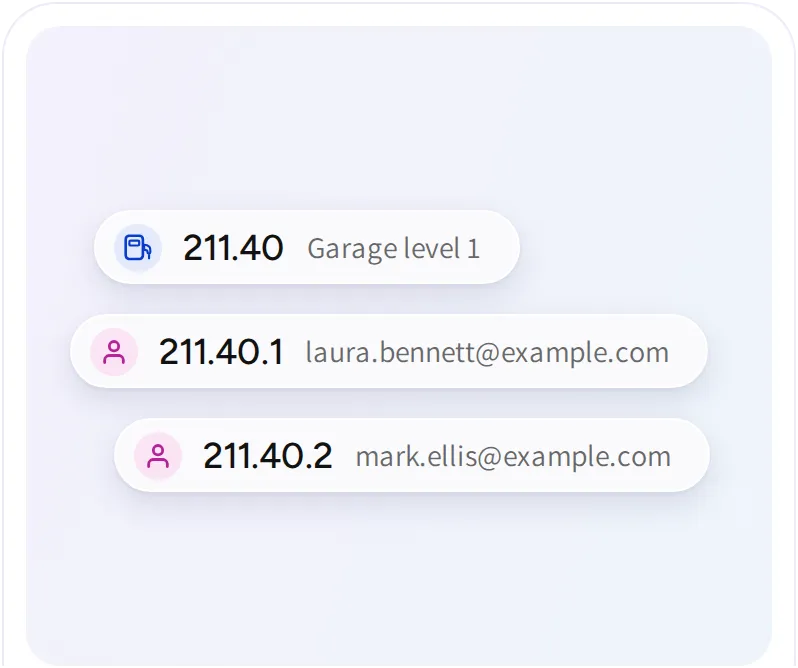
Connect household chargers and dedicated resident plugs to their owners. Support sharing, schedules, billing, and remote operations across your home and residential services.
Integrations and API
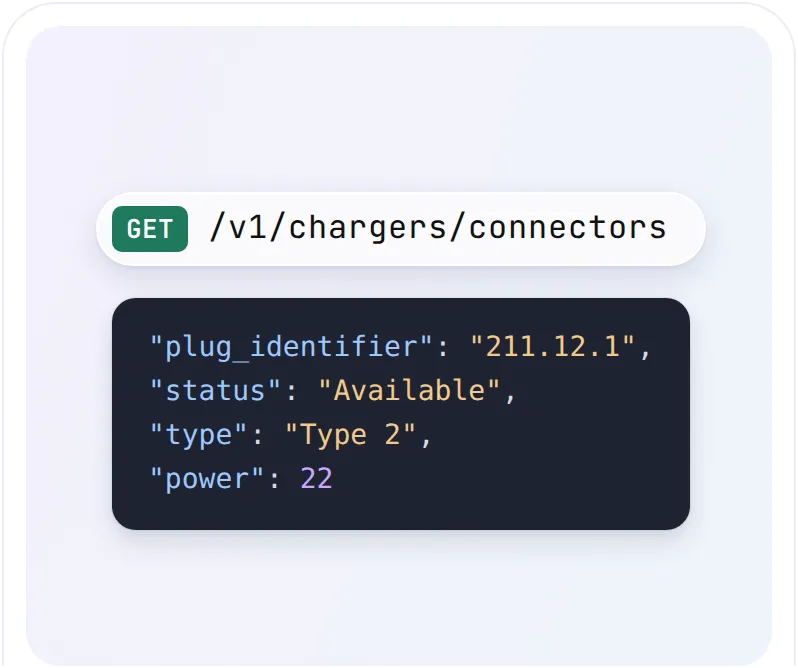
Connect payment providers, roaming partners, energy data and your own applications using supported integrations and the EOSVOLT Public API.